
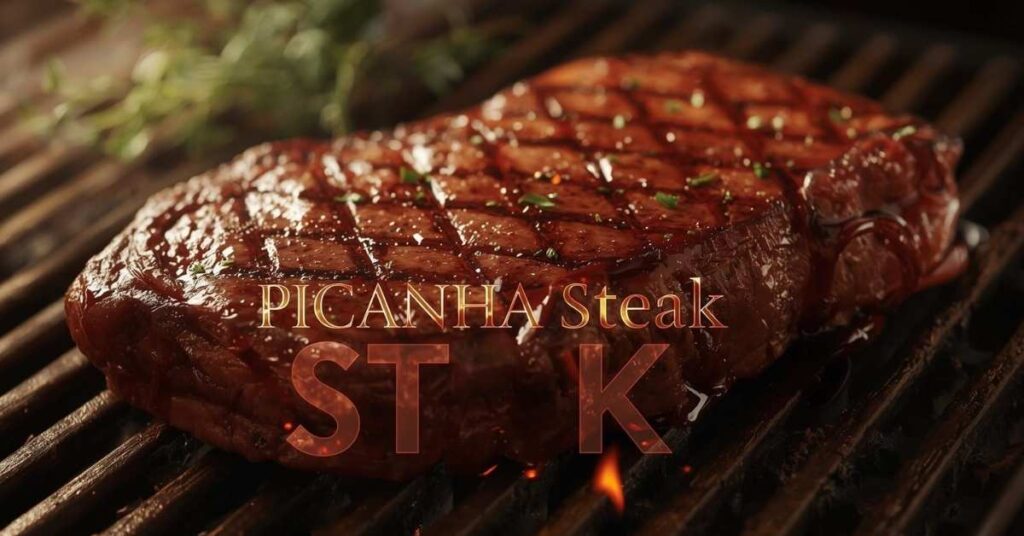
Picanha steak is one of those beef cuts that feels like a secret—once you understand it, you start wondering why it isn’t as common as ribeye or sirloin in every supermarket. Loved in Brazil and increasingly popular around the world, picanha is prized for its rich flavor, thick fat cap, and incredible tenderness when cooked correctly.
In this complete guide, you’ll learn what a picanha steak is, the picanha steak part of cow, how it compares to other cuts, and—most importantly—the best way to cook picanha steak at home so it stays juicy, flavorful, and memorable.
What Is a Picanha Steak?
Picanha is a premium cut of beef taken from the top sirloin cap, also known as the rump cap or culotte steak. In Brazil, it is considered the crown jewel of churrasco (Brazilian barbecue) and is often the star of rodízio-style steakhouses.
What makes picanha special is not just the meat itself, but the thick fat cap that remains attached during cooking. This fat slowly renders, basting the meat and creating a deep, beefy flavor that sets picanha apart from leaner sirloin cuts.
IMPORTANT: Picanha is not just “another sirloin steak.” When butchered and cooked properly, it delivers a flavor and texture closer to much more expensive cuts.
Picanha Steak Part of Cow: Where Does It Come From?
The picanha steak cut on cow comes from the top portion of the sirloin primal, right above the rump and near the back of the animal. This muscle does relatively little work, which explains its natural tenderness.
Understanding the Picanha Steak Cut on Cow
- Located at the rear top of the cow
- Sits above the round and below the loin
- Covered by a natural fat cap that should not be removed
- Typically weighs between 2–3 pounds when sold whole
In many countries, this cut is separated differently or trimmed aggressively, which is why people often ask where to find picanha steaks near me. Asking your butcher specifically for top sirloin cap with the fat on usually solves the problem.
Why Does Picanha Have a Thick Fat Cap?
The fat cap is the defining feature of picanha. While some people instinctively want to trim fat away, doing so removes what makes this cut exceptional.
The fat cap:
- Protects the meat from drying out
- Slowly renders during cooking
- Infuses the steak with flavor
- Creates a crispy, caramelized exterior
In Brazilian churrasco, picanha is often seasoned with nothing more than coarse salt because the fat does the rest of the work.
“The secret of great picanha isn’t fancy seasoning—it’s respecting the fat cap.”
— Brazilian churrasco tradition
What Does Picanha Steak Taste Like?
Picanha steaks delivers a deep, beef-forward flavor with a buttery richness that comes from the rendered fat. When cooked to medium-rare, the texture is tender but still satisfying, with a slight chew that steak lovers appreciate.
Compared to other popular cuts:
- It is beefier than filet mignon
- Leaner than ribeye but still rich
- More flavorful than standard sirloin steaks
The taste is especially pronounced when cooked over an open flame or hot grill.
Is Picanha Steak Tender?
Yes—picanha steaks is naturally tender, but only if it is handled correctly.
Tenderness depends on three main factors:
- Cooking temperature – Overcooking quickly dries it out
- Fat rendering – Proper heat allows fat to melt into the meat
- Slicing direction – Always slice against the grain
Many people think picanha is tough simply because it was sliced incorrectly.
Picanha Steak vs Other Popular Cuts
To understand why picanha stands out, it helps to compare it to familiar steaks.
Picanha vs Ribeye
Ribeye is fattier throughout, while picanha concentrates its fat in one cap. Ribeye is richer, but picanha offers cleaner beef flavor and is often more affordable.
Picanha vs Sirloin
Regular sirloin steaks are lean and can be dry. Picanha, although technically part of the sirloin, is far juicier because the fat cap remains intact.
Picanha vs Tri-Tip
Tri-tip is larger and more fibrous. Picanha is smaller, more tender, and easier to cook evenly.
| Cut | Tenderness | Fat Content | Flavor |
| Picanha | High | Medium-High | Very Beefy |
| Ribeye | Very High | High | Rich |
| Sirloin | Medium | Low | Mild |
| Tri-Tip | Medium | Medium | Beefy |
How to Choose a Good Picanha Steak
When shopping or searching picanha steaks near me, knowing what to look for makes a big difference.
A high-quality picanha should have:
- A thick, even fat cap (not trimmed)
- Bright red meat with good marbling
- Firm texture, not mushy
- Weight between 2–3 pounds for a whole cut
USDA Prime picanha will have more marbling, but Choice-grade can still be excellent if cooked well.
The Best Way to Cook Picanha Steak
The best way to cook picanha steaks depends on your equipment, but the goal is always the same: render the fat, keep the meat juicy, and avoid overcooking.
Traditional Brazilian Churrasco Method
In Brazil, picanha is often cooked whole or folded into a “C” shape on skewers over charcoal. It is seasoned simply with coarse salt and sliced tableside.
Grilling Picanha Steak at Home
Grilling is the most popular method outside Brazil.
Key principles:
- Start with fat side down over medium heat
- Allow fat to render slowly
- Finish over higher heat for a crust
- Target medium-rare to medium doneness
Oven-Roasted Picanha Steak
When a grill isn’t available, roasting works well.
- Start in a hot oven
- Finish with a quick sear
- Rest before slicing
Pan-Seared Picanha Steak
Best for smaller portions.
- Use a heavy cast-iron pan
- Render fat slowly before increasing heat
- Avoid crowding the pan
Seasoning Picanha Steak the Right Way
Traditional Brazilian seasoning is minimal for a reason.
The most common options include:
- Coarse salt (traditional)
- Salt and cracked black pepper
- Garlic-infused oil (optional)
- Chimichurri served on the side
Heavy marinades often mask the natural flavor and are unnecessary.
How to Slice Picanha Steak Correctly
Slicing is where many people go wrong.
Always remember:
- Identify the grain direction
- Slice against the grain
- Cut after resting, not immediately
Proper slicing transforms picanha from chewy to tender.
Common Mistakes When Cooking Picanha Steak
Even great cuts can disappoint if mishandled.
The most common mistakes include:
- Trimming off the fat cap
- Cooking past medium
- Using high heat too early
- Slicing with the grain
- Over-seasoning
Avoiding these mistakes instantly improves results.
Picanha Steak Doneness and Temperature Guide
| Doneness | Internal Temp |
| Rare | 120–125°F |
| Medium-Rare | 130–135°F |
| Medium | 140–145°F |
IMPORTANT: Always rest picanha for at least 10 minutes before slicing.
What to Serve With Picanha Steak
Pairs beautifully with simple sides that don’t overpower the meat:
- Rice and beans
- Grilled vegetables
- Fresh salads
- Chimichurri sauce
- Roasted potatoes
Picanha Steak Nutrition and Health Facts
Picanha is rich but still nutritious when eaten in moderation.
Approximate values per serving:
- High-quality protein
- Iron and zinc
- Healthy fats from the fat cap
It is more calorie-dense than lean cuts but also more satisfying.
READ MORE >>> Black and Blue Burger Recipe: Steakhouse-Style Flavor at Home
Where to Find Picanha Steak Near Me
If you’re searching picanha steak near me, your best options are:
- Local butcher shops
- Specialty meat markets
- Online meat suppliers
Ask specifically for picanha steaks cut, top sirloin cap, or rump cap with fat on.
Frequently Asked Questions
Is picanha the same as sirloin?
No. It comes from the sirloin area but is a distinct, superior cut.
Can you cook picanha well-done?
You can, but it loses much of what makes it special.
Is picanha expensive?
Usually more affordable than ribeye but more flavorful than standard sirloin.
Final Thoughts: Is Picanha Steak Worth It?
If you enjoy bold beef flavor, picanha steak is absolutely worth trying. It combines simplicity, tradition, and technique in a way few cuts do. Once you understand what a picanha steaks is, where the picanha steak cut on cow comes from, and the best way to cook picanha steaks, it often becomes a permanent favorite.
Simple seasoning, respectful cooking, and proper slicing—that’s all picanha needs to shine.