
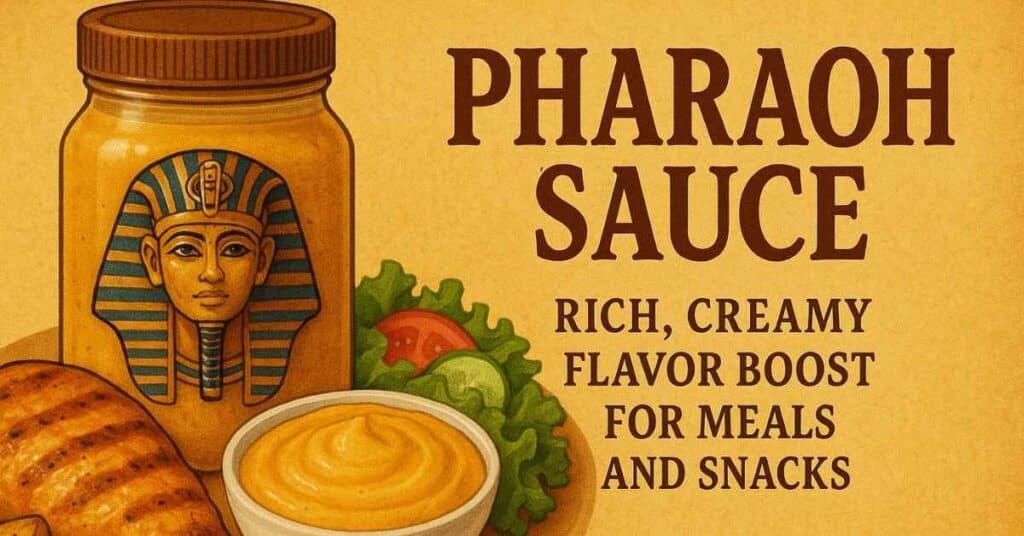
Pharaoh sauce has become one of the most talked-about Egyptian-inspired condiments across social media, cooking blogs, and fusion food kitchens. What makes it special is its rich blend of garlic, lemon, spices, creamy textures, and warm aromatic ingredients like cumin, coriander, paprika, and chili. Whether you want an easy recipe for dipping, a creamy sauce for wraps, or a healthier Egyptian variation, this complete guide walks you through everything.
This article includes an authentic-style recipe, ingredient breakdown, history, Egyptian culinary context, variations, serving ideas, nutritional details, storage methods, and even buying options. Every section is written in a simple way so anyone can make and enjoy this versatile Middle Eastern–inspired sauce.
What Is Pharaoh Sauce?
Pharaoh sauce is a creamy, tangy, and mildly spiced condiment inspired by Middle Eastern and Egyptian flavors. It usually contains garlic, lemon juice, mustard, paprika, cumin, chili flakes, sumac, and olive oil. Some modern versions use mayonnaise, roasted peppers, yogurt, or honey to create different textures and flavor profiles.
The Meaning Behind the Name Pharaoh Sauce
The name is more modern than ancient. It reflects the flavor inspiration drawn from Egyptian spices and cooking traditions rather than a direct historical recipe. It is created to evoke warm spice blends commonly associated with North African and Egyptian cuisine.
Flavor Notes
this sauce balances several flavor elements:
- Tanginess from lemon or sumac
- Earthy warmth from cumin and coriander seeds
- Creaminess from mayo or yogurt
- Mild heat from paprika and chili
- Slight sweetness if honey or maple syrup is used
Its versatility makes it suitable as a dipping sauce, marinade, salad dressing, spread, and topping for grilled meals.
Why Pharaoh Sauce Became Viral
Food creators began sharing short videos showing its simplicity and flavor depth. Because it works with everyday meals—wraps, fries, chicken, roasted vegetables—it quickly gained popularity worldwide.
Is Pharaoh Sauce Really Egyptian?
While pharaoh sauce is labeled as “Egyptian-inspired,” it does not have a verifiable ancient recipe that matches today’s versions. Still, its ingredients strongly resemble staples of ancient Egyptian and Middle Eastern kitchens.
Ancient Egyptian Condiments
Historical records show the Egyptians commonly used:
- Garlic
- Onions
- Coriander seeds
- Cumin
- Dill
- Honey
- Vinegar and citrus-like acidic elements
- Olive oil
Sauces in ancient Egypt were usually spice blends, garlic pastes, or oil-based emulsions.
Old vs Modern Egyptian Flavors
Ancient Egyptians enjoyed flavor profiles combining warm spices, herbs, acidity, and sweetness—similar to the balanced acidity and earthiness of this sauce.
Is Pharaoh Sauce Historically Accurate?
Not fully. It is a modern reinterpretation that uses ingredients available both historically (spices, herbs, olive oil) and modernly (mayonnaise, Dijon mustard). The flavor, however, aligns well with Egyptian culinary traditions.

Common Ingredients Used
Many recipes share similar bases. Below is a general ingredient table covering what you will find in traditional, creamy, spicy, or modern variations.
Ingredients Table
| Ingredient | Purpose | Used In |
| Garlic | Core flavor | All versions |
| Lemon juice | Tangy acidity | All versions |
| Olive oil | Emulsifying richness | Traditional |
| Mayonnaise | Creamy base | Modern, creamy |
| Dijon mustard | Sharp tang | Creamy versions |
| Paprika | Warm color + mild heat | Most versions |
| Cumin | Earthy, warm flavor | Traditional |
| Coriander seeds | Citrus-like notes | Traditional |
| Chili flakes | Heat | Spicy versions |
| Sumac | Tangy Middle Eastern note | Egyptian-style |
| Honey/Maple syrup | Sweet balance | Modern |
| Yogurt | Light creamy texture | Healthy version |
| Roasted peppers | Smoky depth | Spicy or gourmet |
Traditional Egyptian-Style Ingredients
- Cumin
- Coriander
- Lemon
- Garlic
- Olive oil
- Sumac
- Chili
Modern Creamy Ingredients
- Mayo
- Dijon mustard
- Paprika
- Honey
- Yogurt (optional)
Substitutions for Dietary Needs
- Replace mayo with Greek yogurt for a low-calorie
- Replace honey with maple syrup for a vegan version
- Use olive oil + tahini for a dairy-free alternative
- Replace mustard for a milder flavor version
How to Make Pharaoh Sauce
Preparation Details
- Prep Time: 5–10 minutes
- Difficulty Level: Easy
- Servings: 6–8 tablespoons of sauce
Step-by-Step Instructions
Step 1: Prepare the Base
Crush or mince fresh garlic. Combine with lemon juice to activate its sharpness. Add cumin, paprika, coriander powder, and chili flakes.
Step 2: Add Creamy Ingredients (If Using)
Mix in mayonnaise or yogurt. Add Dijon mustard for extra tang.
Step 3: Add Olive Oil
Slowly drizzle olive oil while whisking to create a smooth, velvety texture.
Step 4: Balance Flavor
Add honey or maple syrup if you want a sweet touch. Add salt and sumac for complexity.
Step 5: Blend (Optional)
Use a small blender for a smooth, unified texture. This works especially well for roasted pepper versions.
Step 6: Resting Period
Allow the sauce to sit for 10–20 minutes. This step deepens the flavor and improves balance.
Storage Tips
Store in a sealed jar for 4–6 days in the refrigerator. Yogurt-based versions last slightly shorter.
Pharaoh Sauce Variations
Creamy Pharaoh Sauce
Uses mayo, mustard, paprika, garlic, lemon, and olive oil for a smooth texture.
Spicy Pharaoh Sauce
Uses chili flakes, roasted peppers, smoked paprika, and cayenne for deeper heat.
Authentic-Style Egyptian Pharaoh Sauce
Made without mayo. Uses olive oil, garlic, cumin, coriander, lemon, and sumac.
Mayo-Free Pharaoh Sauce
Uses yogurt, olive oil, garlic, lemon, coriander, and mustard.
Vegan Pharaoh Sauce
Uses vegan mayo or tahini, lemon, garlic, sumac, cumin, and paprika.
Low-Calorie Pharaoh Sauce
Uses yogurt in place of mayo, reduces oils, and focuses on herbs.
5-Minute Quick Pharaoh Sauce
Quick mix of mayo, garlic paste, lemon, mustard, cumin, and paprika.
Fire Roasted Pepper Pharaoh Sauce
Adds roasted peppers for a smoky flavor, influenced by modern Mediterranean cuisine.
What Does Pharaoh Sauce Taste Like?
This sauce combines creamy, tangy, earthy, and mildly spicy flavors. The taste depends on the variation, but several notes appear consistently.
Flavor Breakdown
- Tanginess: From lemon and sumac
- Earthiness: Cumin, coriander, fenugreek
- Creaminess: Mayo, yogurt, olive oil
- Heat: Chili flakes and paprika
- Sweetness: Honey or maple syrup
- Aroma: Garlic and herbs
Each ingredient contributes to the overall balance, creating a sauce that is versatile and bold.
How to Use
Dipping Uses
- French fries
- Grilled vegetables
- Pita bread
- Falafel
Marinade Uses
- Chicken breast
- Beef strips
- Fish fillets
- Tofu
Spread Uses
- Wraps
- Shawarma sandwiches
- Burgers
- Panini
Salad Dressing Uses
Thin the sauce with extra lemon juice or olive oil for salads and grain bowls.
Creative Fusion Ideas
- Pharaoh sauce pasta
- Rice bowls
- Tacos
- Middle Eastern fusion plates
Nutrition Information
Below is a general nutritional breakdown (approximate, per tablespoon):
| Nutrient | Amount |
| Calories | 60–90 |
| Fat | 5–8g |
| Carbs | 1–3g |
| Protein | 0.3–1g |
| Sodium | Depends on salt and mustard |
| Sugar | 1–2g if honey is included |
Healthier Version Suggestions
- Replace mayo with yogurt.
- Reduce honey.
- Increase lemon juice for a lighter texture.
- Add herbs instead of more oil.
Pharaoh Sauce vs Other Mediterranean Sauces
Tahini
Tahini is sesame-based; pharaoh sauce is spice and cream-based. Both contain lemon and garlic.
Toum
Toum is a pure garlic sauce with oil and lemon; pharaoh sauce is milder and creamier.
Shawarma Sauce
Shawarma garlic sauce is thicker and stronger; pharaoh sauce is more balanced and versatile.
Harissa
Harissa is a chili paste; pharaoh sauce is a cream-based condiment with aromatic spices.
Common Mistakes to Avoid When Making Pharaoh Sauce
Using Too Much Lemon
This can overpower the entire sauce, making it extremely sour.
Skipping the Resting Time
The flavors need time to settle and blend.
Adding Oil Too Quickly
This prevents emulsification, causing separation.
Using Weak Spices
Fresh, high-quality spices enhance aroma and authenticity.
Not Balancing Acidity
Adding honey, yogurt, or a pinch of sugar corrects excess tartness.
READ MORE>>>Jalbitedrinks Tea Recipe – How to Make the Perfect Cup at Home
How to Store, Freeze, and Meal Prep
Refrigeration
Store in an airtight jar for 4–6 days. Yogurt-based versions last 3–4 days.
Freezing
Mayo-based sauces do not freeze well. Yogurt or oil-based versions freeze slightly better but may separate.
Meal Prep Tips
Make a large batch and divide into small jars for weekly use.
Where to Buy Pharaoh Sauce
Some people prefer ready-made versions. A few brands produce pharaoh-style or Egyptian-inspired sauces.
Luci & Pharaoh (Athena Sauce)
This brand offers a fire-roasted pepper and olive-based sauce close to spicy pharaoh variations.
Other Store Options
Look for labels such as:
- Egyptian-inspired sauce
- Middle Eastern flavored sauce
- Garlic pepper sauce
Homemade vs Store-Bought
Homemade versions are fresher, more customizable, and more cost-effective.
FAQs
Is Pharaoh Sauce originally Egyptian?
It is Egyptian-inspired but not an ancient recipe.
Can I make this Sauce without mayonnaise?
Yes. Yogurt, tahini, or olive oil work well.
Is Pharaoh Sauce spicy?
It depends on how much paprika and chili you add.
How do I fix overly sour Pharaoh Sauce?
Add honey, yogurt, or more oil.
What foods pair best with this Sauce?
Grilled chicken, roasted vegetables, wraps, burgers, fries, kebabs, and salads.
Final Thoughts
Pharaoh sauce is a versatile, creamy, tangy, and deeply aromatic condiment that draws inspiration from the warm flavors of Egyptian and Middle Eastern cuisine. Whether you choose a creamy version, a spicy variation, a healthy yogurt-based option, or a traditional olive-oil blend, it enhances nearly any dish with its balanced acidity, garlic aroma, and spice depth. Try the recipe, experiment with different variations, and enjoy this flavorful sauce in your everyday meals.