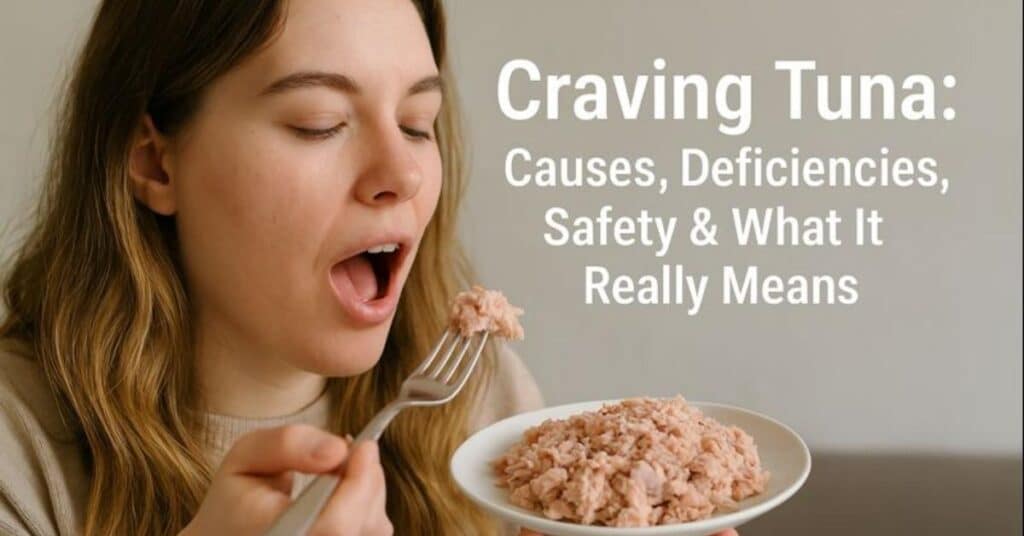
Craving tuna is more common than people think, and it often leaves you wondering: Why do I want tuna so badly? Is it a deficiency? Is it safe? Does it mean something is happening in my body? Whether you enjoy tuna salad, canned tuna, or fresh tuna steaks, this craving can tell a lot about your nutritional needs, hormones, mood, and even your health status.
Some cravings are simply about taste and texture, while others come from real nutrient deficiencies like omega-3, iodine, iron, or protein. For some people, this craving appears during pregnancy, menstruation, stress, workouts, or major hormonal changes.
This guide breaks down every possible reason for craving tuna, including emotional triggers, health issues, mercury safety, pregnancy concerns, and what to do when the craving becomes too frequent. Let’s dive into a complete, human-friendly explanation.
What Does Craving Tuna Mean?
Craving tuna can come from your body’s attempt to correct a deficiency, stabilize your mood, or find a familiar comfort food that feels satisfying. Because tuna contains high-quality protein, omega-3 fatty acids (EPA and DHA), iodine, selenium, and vitamin D, it becomes one of the most nutrient-dense foods you can crave.
The Science Behind Food Cravings
Food cravings occur when your brain, hormones, and body chemistry signal a need — either physically or emotionally. These cravings activate pleasure regions in the brain linked to dopamine and serotonin, which help stabilize mood.
Why Tuna Specifically?
Tuna has a unique combination of:
- Protein
- Omega-3 fatty acids
- Vitamin D
- Iodine
- Selenium
- Umami flavor
Your brain may associate tuna with:
- Mental clarity
- Balanced mood
- Satiety
- Comfort
Is Craving Tuna Normal?
Yes — unless it becomes obsessive or you rely on tuna daily. Daily consumption can pose mercury risks, so understanding the reason for your craving is essential.
Nutrient Deficiency Reasons Behind Craving Tuna
Many people crave tuna because their body is signaling nutrient needs. Here are the most common deficiency-linked causes:
Omega-3 Fatty Acid Deficiency
Omega-3s (EPA and DHA) support brain health, hormone regulation, and anti-inflammatory functions. If you’re low, you may crave fatty fish like tuna, salmon, or sardines.
Low omega-3 symptoms:
- Dry skin
- Low mood
- Poor focus
- Joint discomfort
Protein Deficiency
Tuna is a lean protein powerhouse. When you crave it constantly, your body may be needing protein for:
- Muscle repair
- Hormone production
- Recovery after workouts
Iodine Deficiency
Iodine supports the thyroid, which regulates metabolism and hormones. Since tuna contains iodine, craving it may indicate low thyroid-related nutrients.
Vitamin D Deficiency
Tuna is among the few natural vitamin D sources. People who stay indoors often crave vitamin D-rich foods.
Iron Deficiency
Iron needs increase during menstruation, pregnancy, and stress. Some women unconsciously crave fish when iron levels drop.
Selenium Needs
Tuna contains selenium — a mineral essential for immune health and thyroid function.
Amino Acid Needs
If you’re strength training or recovering from injury, your body may crave tuna’s amino acids for muscle repair.
Quick Deficiency Comparison Table
| Nutrient Craved | Why It Causes Tuna Craving | Common Symptoms |
| Omega-3 | Brain & hormone support | Low mood, poor focus |
| Protein | Muscle repair & satiety | Fatigue, cravings |
| Iodine | Thyroid function | Tiredness, weight changes |
| Vitamin D | Hormone & mood support | Fatigue, depression |
| Iron | Blood health | Dizziness, cravings |
| Selenium | Antioxidant needs | Poor immunity |
Psychological & Emotional Reasons for Craving Tuna
Not all cravings come from deficiencies. Many come from emotions, habits, or memories.
Stress Eating
During stress, people crave foods high in:
- Protein
- Fat
- Flavor
Tuna feels comforting and stabilizing.
Emotional Associations
You might crave tuna because it reminds you of:
- Home-cooked meals
- Childhood lunches
- A favorite sandwich
Dopamine-Seeking Behavior
Protein-rich foods help stabilize dopamine, which can curb anxiety and improve focus.
Umami Cravings
Tuna contains natural umami (savory taste). People who crave savory foods often choose tuna instinctively.
Learned Eating Patterns
If you eat tuna frequently, your brain recognizes it as a reliable source of energy and nutrients.
Hormonal Reasons for Craving Tuna
Hormones strongly influence taste, cravings, and food behaviors.
Pregnancy
Many pregnant women experience heightened cravings for:
- Protein
- Salty foods
- Omega-3 rich foods
Tuna checks all three boxes.
PMS & Menstrual Cycle
Women crave:
- Iron
- Protein
- Salt
This can make tuna a top craving during menstruation.
Thyroid Changes
If your thyroid hormones fluctuate, your body may crave iodine-rich foods like tuna.
Stress Hormones (Cortisol)
Cortisol spikes can trigger cravings for foods that deliver stable energy — like tuna.
Hunger Hormones (Leptin & Ghrelin)
Tuna’s protein helps regulate these hormones, making your cravings feel purposeful.
Craving Tuna During Pregnancy: What It Really Means
Pregnancy can magnify cravings for nutrient-dense foods. Tuna cravings during pregnancy often mean your body needs more:
- Protein
- Omega-3 (DHA for fetal brain development)
- Iron
- Iodine
But mercury safety is important.
Safe Tuna Types During Pregnancy
| Tuna Type | Mercury Level | Pregnancy Safe? |
| Skipjack (Light Tuna) | Low | ✔ Yes |
| Canned Light Tuna | Low | ✔ Yes |
| Albacore Tuna | Moderate | ✔ In moderation |
| Yellowfin | Moderate | ✔ In moderation |
| Bigeye | High | ❌ No |
How Much Tuna Can Pregnant Women Eat?
- 2–3 servings per week of low-mercury tuna is generally safe.
- Avoid high-mercury species entirely.
Pregnancy Alternatives
- Sardines
- Salmon
- Trout
- Seaweed for iodine
Is It Safe to Eat Tuna Daily?
This section addresses a major search query: “Is it okay to eat tuna every day?”
Mercury Content by Species
Tuna contains methylmercury, a neurotoxin. Some species contain more than others.
Mercury Level Table
| Tuna Species | Mercury Level | Safety |
| Skipjack | Low | Safe in moderation |
| Light Canned Tuna | Low | Safest |
| Albacore | Medium | Limit weekly |
| Yellowfin | Medium | Occasional |
| Bigeye | High | Avoid |
Signs of Mercury Buildup
- Tingling sensation
- Memory issues
- Poor coordination
- Metallic taste
If you crave tuna daily, you must balance safety with nutrient needs.
Who Should Avoid Daily Tuna Consumption
- Pregnant or breastfeeding women
- Children
- People with thyroid issues
- People sensitive to heavy metals
Canned vs Fresh Tuna
Fresh tuna often has higher mercury than light canned tuna. Choosing wisely can help satisfy your craving safely.
Craving Tuna & Fitness: A Common Nutrition Pattern
Athletes and gym-goers often report craving tuna due to:
Post-Workout Needs
After heavy workouts, your body craves:
- Protein
- Amino acids
- Minerals
Tuna fits these needs perfectly.
Low-Carb or Keto Diets
On keto, people naturally crave salty, protein-rich foods.
Intermittent Fasting
Breaking a fast with tuna is common because it stabilizes blood sugar quickly.
Calorie Deficits
Your body may crave calorie-dense, protein-rich foods when dieting.
Taste, Texture & Sensory Reasons for Craving Tuna
The sensory profile of tuna itself can trigger cravings.
Salt Cravings
If you crave salty foods, tuna is a natural go-to.
Umami Cravings
Tuna has a deep, savory flavor that satisfies umami cravings.
Texture
Soft, flaky, creamy tuna gives the brain a satisfying mouthfeel.
Health Benefits of Tuna That Trigger Cravings
Your body prefers foods that nourish it — tuna is one of the most nutrient-rich options.
High Protein
Supports muscles, hormones, recovery, and appetite control.
Omega-3 Fatty Acids
Support:
- Brain health
- Heart function
- Mood
- Anti-inflammatory response
Mood Support
Omega-3 deficiencies often cause mood swings — craving tuna can be your body’s natural correction.
Immune Support
Tuna’s selenium helps your immune system and thyroid.
Health Risks of Eating Too Much Tuna
While tuna is incredibly healthy, moderation is essential.
Mercury Toxicity
Consuming too much tuna may elevate methylmercury in the body.
Long-Term Effects of Mercury
- Cognitive issues
- Nerve damage
- Kidney stress
- Vision changes
Digestive Issues
Excess tuna can lead to:
- Bloating
- Stomach discomfort
Sodium Overload
Canned tuna may raise sodium levels.
What to Do When You’re Craving Tuna
You can satisfy your craving safely while protecting your long-term health.
Safe Ways to Enjoy Tuna
- Choose canned light tuna
- Limit albacore
- Avoid bigeye
How Often You Can Eat Tuna
- Adults: 2–3 servings per week
- Pregnant women: 1–2 servings of low-mercury tuna only
How to Reduce Cravings If They Become Frequent
- Stay hydrated
- Eat balanced meals
- Add omega-3 supplements
- Increase protein intake
READ MORE>>>Checkers Pie: Easy Homemade Recipe for a Rich, Classic Dessert
Healthy Alternatives to Tuna With Similar Nutrients
Low-Mercury Fish
- Salmon
- Sardines
- Mackerel (safe types)
- Trout
Plant-Based Omega-3 Sources
- Chia seeds
- Flaxseeds
- Walnuts
- Seaweed
High Protein Alternatives
- Eggs
- Chicken
- Lentils
- Greek yogurt
When to See a Doctor About Craving Tuna
If your craving becomes intense or frequent, it may reflect a deeper issue.
Warning Signs
- Extreme or compulsive cravings
- Symptoms of deficiency
- Persistent fatigue
- Memory issues
- Numbness or tingling (possible mercury exposure)
If any of these occur, a doctor can check:
- Iron levels
- Thyroid function
- Omega-3 levels
- Mercury levels
FAQS
How do you feel when your vitamin D is extremely low?
You may feel tired, weak, achy, depressed, anxious, and experience brain fog or frequent illnesses.
What do you crave when your B12 is low?
Low B12 often causes cravings for red meat, fish, eggs, cheese, or other high-B12 foods.
Is eating a can of tuna a day bad?
Yes, daily tuna can be risky due to mercury buildup. Limit tuna to 2–3 servings a week
Why am I craving tuna on my period?
You may be craving tuna because your body needs iron, protein, omega-3s, or salty, comforting foods during hormonal shifts.
Why do I want to eat tuna?
You might crave tuna due to protein needs, omega-3 deficiency, iodine needs, stress, or flavor preference.
What vitamin deficiency causes fish craving?
Fish cravings are commonly linked to low omega-3s, vitamin D, iodine, B12, or protein deficiency.
Conclusion
Craving tuna can be a meaningful signal from your body about its nutrient needs, emotional state, hormonal balance, or dietary gaps. In many cases, your craving simply means your body is seeking protein, omega-3s, iodine, or iron. However, frequent or intense cravings require caution due to mercury risks — especially during pregnancy.
By understanding the root cause behind your craving for tuna, you can make smarter, safer choices and enjoy tuna in a balanced, mindful way. Whether your craving stems from deficiency, emotion, hormones, or taste preference, this guide helps you decode exactly what your body is trying to say.