
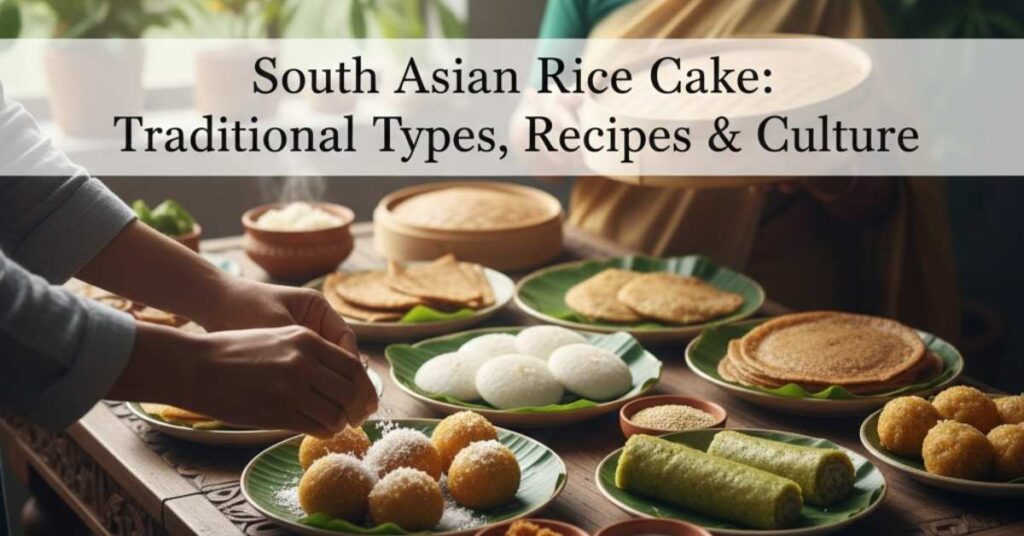
South asian rice cake is more than just a food term—it represents centuries of tradition, regional diversity, and everyday comfort across South Asia. From soft, steamed idlis in South India to sweet bhapa pitha in Bengal and crispy sel roti in Nepal, rice cakes are deeply woven into daily meals, festivals, and family rituals.
This guide brings together recipes, cultural context, nutrition, techniques, and expert tips to give you the most complete, human-written resource on South Asian rice cakes.
What Is a South Asian Rice Cake?
A South Asian rice cake refers to a broad category of dishes made primarily from rice or rice flour, shaped or molded, and cooked using methods such as steaming, fermentation, or frying. Unlike Western-style cakes, these are not baked desserts. They can be savory or sweet, soft or crisp, plain or filled, depending on the region.
Rice cakes appear across India, Pakistan, Bangladesh, Sri Lanka, Nepal, and surrounding areas, each with its own name, ingredients, and cultural meaning.
Why Rice Cakes Are a Staple in South Asia
Rice has always been a symbol of life, prosperity, and nourishment in South Asian culture. It is affordable, locally grown, and suitable for large families. Turning rice into cakes made it easier to store, steam, share, and serve during festivals or communal meals.
“Rice cakes are not just recipes; they are edible history passed from one generation to the next.”
Popular Types of South Asian Rice Cakes by Region
South Asian rice cakes are incredibly diverse. Below is a region-wise overview of the most popular and traditional varieties.
Idli – South India’s Steamed Rice Cake
Idli is a fermented, steamed rice cake made from rice and urad dal. It is light, fluffy, and naturally gluten-free.
- Commonly eaten for breakfast
- Served with sambar and coconut chutney
- Known for being easy to digest
Puttu – Kerala’s Rice and Coconut Cake
Puttu is prepared using rice flour and grated coconut, steamed in a cylindrical mold called a puttu maker.
- Mildly savory
- Often paired with bananas, sugar, or kadala curry
Bhapa Pitha / Chaler Pitha – Bengali Steamed Rice Cake
Bhapa pitha is a sweet rice cake made with rice flour, jaggery, and coconut, steamed gently.
- Popular in Bangladesh and West Bengal
- Traditionally eaten during Poush Parbon (harvest festival)
Chitoi Pitha & Puli Pitha
These are traditional Bangladeshi rice cakes, often enjoyed in winter.
- Chitoi pitha is soft and pan-steamed
- Puli pitha is filled with coconut and jaggery
Kiribath – Sri Lankan Milk Rice Cake
Kiribath is rice cooked in thick coconut milk, then pressed and cut into shapes.
- Served during Sinhala & Tamil New Year
- Symbolizes good luck and new beginnings
Sel Roti – Nepalese Fried Rice Cake
Sel roti is a ring-shaped, deep-fried rice cake made from rice batter.
- Crisp outside, soft inside
- Common during Dashain and Tihar festivals
Yomari – Newari Rice Cake
Yomari is a steamed, filled rice cake shaped like a fish or leaf.
- Filled with jaggery and sesame
- Eaten during Yomari Punhi festival
One Classic South Asian Rice Cake Recipe (Bhapa Pitha)
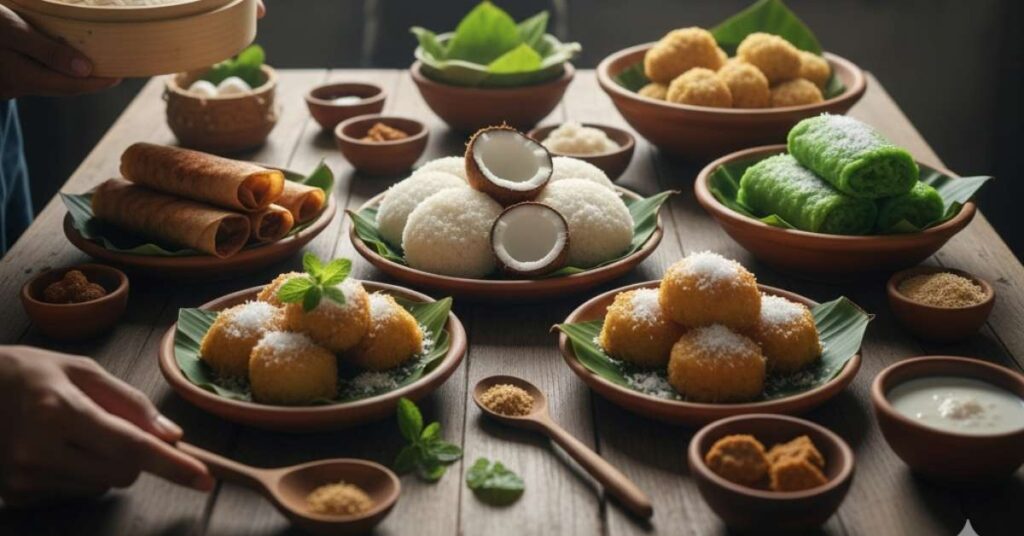
Among all varieties, bhapa pitha is one of the easiest traditional recipes to try at home.
Ingredients
| Ingredient | Quantity |
| Rice flour | 2 cups |
| Grated coconut | 1 cup |
| Jaggery (grated) | ¾ cup |
| Salt | A pinch |
| Warm water | As needed |
Step-by-Step Method
- Lightly moisten rice flour with warm water and salt until crumbly.
- Mix grated coconut and jaggery separately.
- Layer rice flour and coconut filling in small molds.
- Steam for 12–15 minutes until soft.
The result is a soft, aromatic, and naturally sweet rice cake that melts in your mouth.
Common Mistakes & Fixes
| Problem | Reason | Solution |
| Hard texture | Too dry flour | Sprinkle more warm water |
| Sticky cake | Excess moisture | Steam uncovered briefly |
| Bland taste | Low-quality jaggery | Use fresh date palm jaggery |
Steamed vs Fried vs Fermented Rice Cakes
South Asian rice cakes differ mainly by cooking method.
Steamed Rice Cakes
Examples: Idli, bhapa pitha, puttu
- Healthiest option
- Low oil, light texture
Fried Rice Cakes
Examples: Sel roti
- Crisp and festive
- Higher calorie content
Fermented Rice Cakes
Examples: Idli, dosa-based cakes
- Rich in probiotics
- Improved digestion and nutrient absorption
Sweet vs Savory South Asian Rice Cakes
Rice cakes can satisfy both sweet cravings and savory meals.
Sweet Rice Cakes
- Bhapa pitha
- Puli pitha
- Yomari
Sweet versions often use jaggery, coconut, or milk, giving natural sweetness without refined sugar.
Savory Rice Cakes
- Idli
- Puttu
- Chitoi pitha
Savory cakes rely on salt, lentils, or spices, making them ideal for breakfast or dinner.
Are South Asian Rice Cakes Healthy?
Yes, most South Asian rice cakes are considered healthy traditional foods, especially when steamed.
Nutritional Overview (Per Serving – Average)
| Nutrient | Approx. Value |
| Calories | 150–220 kcal |
| Carbohydrates | High |
| Fat | Low (steamed) |
| Protein | Moderate |
| Gluten | None |
Health Benefits
- Naturally gluten-free
- Suitable for vegetarian and vegan diets
- Easy to digest
- Low in oil when steamed
Many people include rice cakes in weight-loss diets when portion-controlled.
South Asian Rice Cakes in Festivals & Culture
Rice cakes are deeply symbolic and often linked to seasonal harvests.
| Festival | Rice Cake |
| Pongal (India) | Idli |
| Poush Parbon (Bangladesh) | Bhapa pitha |
| Dashain (Nepal) | Sel roti |
| Sinhala New Year | Kiribath |
Rice represents abundance and gratitude, which is why rice cakes are offered to guests and deities alike.
Tools & Equipment Used to Make Rice Cakes
Traditional rice cake preparation uses simple tools.
Traditional Tools
- Idli steamer
- Puttu maker
- Banana leaves
- Clay or steel molds
Modern Alternatives
- Pressure cooker with stand
- Silicone molds
- Electric steamers
You do not need special equipment to make most rice cakes at home.
How to Store, Freeze & Reheat Rice Cakes
Proper storage helps maintain texture and flavor.
Storage Tips
- Refrigerate in airtight containers (2–3 days)
- Freeze steamed rice cakes up to 1 month
Reheating Best Practices
- Steam for 3–5 minutes
- Avoid microwaving without moisture
Rice Cake Pairings & Serving Ideas
Rice cakes are rarely eaten alone.
Traditional Pairings
- Idli with sambar and chutney
- Puttu with banana and sugar
- Sel roti with yogurt or curry
Modern Ideas
- Pan-fried rice cake slices
- Rice cake breakfast bowls
South Asian Rice Cake vs Other Asian Rice Cakes
| Feature | South Asian | Mochi | Tteok |
| Base | Rice flour | Glutinous rice | Rice |
| Texture | Soft/steamed | Chewy | Dense |
| Sweet/Savory | Both | Mostly sweet | Both |
South Asian rice cakes are generally less sticky and more diverse in preparation.
READ MORE >>> Coffee Loophole Recipe: How It Works, Ingredients & Weight Loss Truth
Where to Find South Asian Rice Cakes Outside South Asia
- Asian grocery stores
- Frozen food sections
- South Asian restaurants
- Homemade kits
Homemade versions remain the most authentic and affordable.
Frequently Asked Questions About South Asian Rice Cakes
Are South Asian rice cakes gluten-free?
Yes, most are naturally gluten-free.
Can rice cakes be eaten daily?
Yes, when balanced with protein and vegetables.
Why are my rice cakes dense?
Insufficient fermentation or dry batter is usually the cause.
Expert Tips for Perfect South Asian Rice Cakes
- Use fine rice flour for smooth texture
- Steam gently; avoid high heat
- Let batter rest for better hydration
Small technique changes make a big difference.
Final Thoughts on South Asian Rice Cakes
South Asian rice cake traditions show how simple ingredients can create extraordinary food. Whether steamed, fried, sweet, or savory, these rice cakes offer comfort, culture, and nutrition in every bite. By understanding their history, techniques, and variations, you can appreciate why they remain timeless across generations.
South Asian rice cakes are not just meals—they are memories, festivals, and heritage served on a plate.